Learning Objectives
Understand the end-to-end restaurant analogy before the technical sections
Connect each restaurant area to Containers, Workloads, and Kubernetes
Recognise why clear definitions and shared systems make scaling possible
Poppy proposes moving from a single food truck to a restaurant that can serve more customers without relying on Tommy to personally coordinate every detail. Her plan needs four foundations:
To incorporate these foundations, she drafts a diagram of how the restaurant should work.
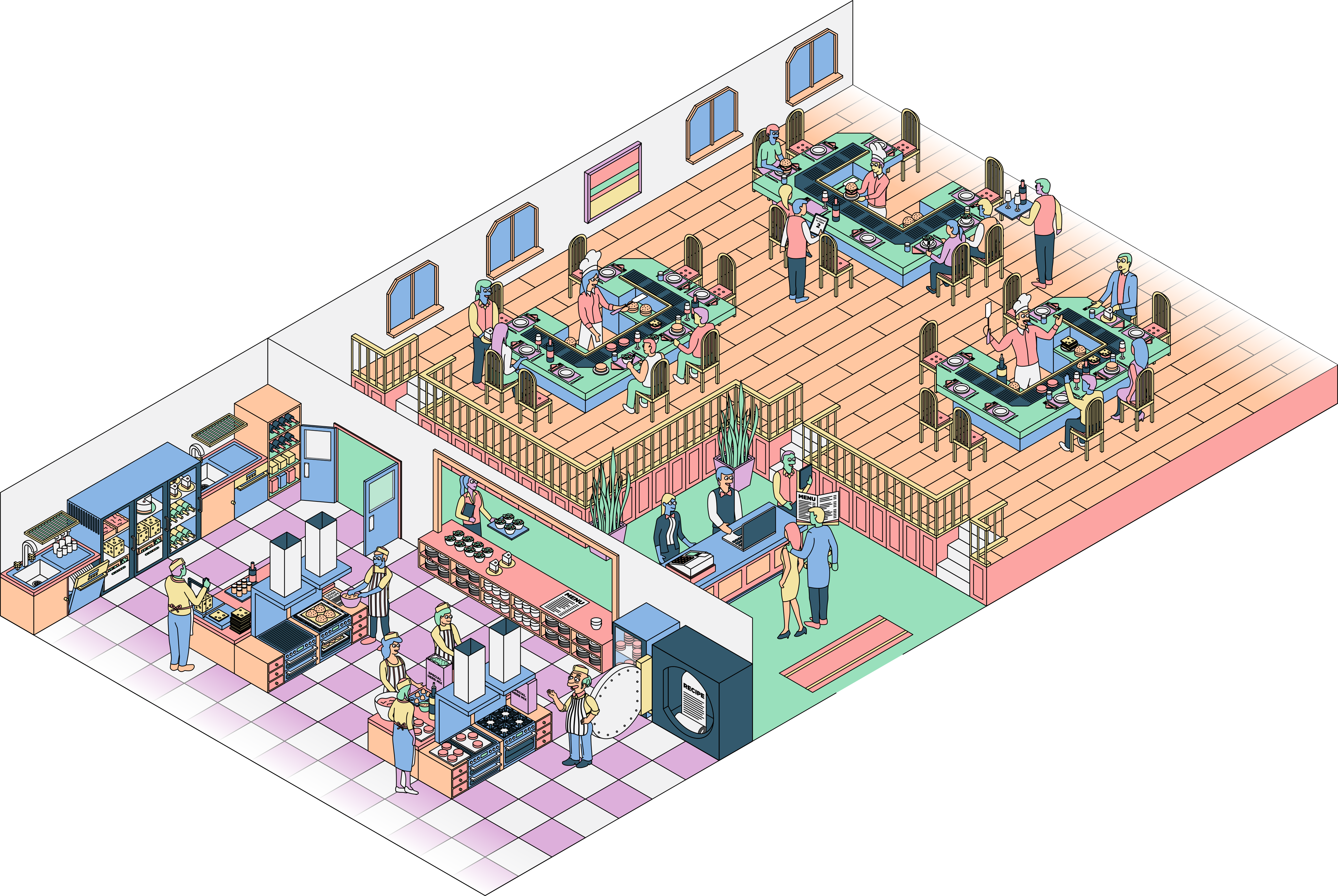
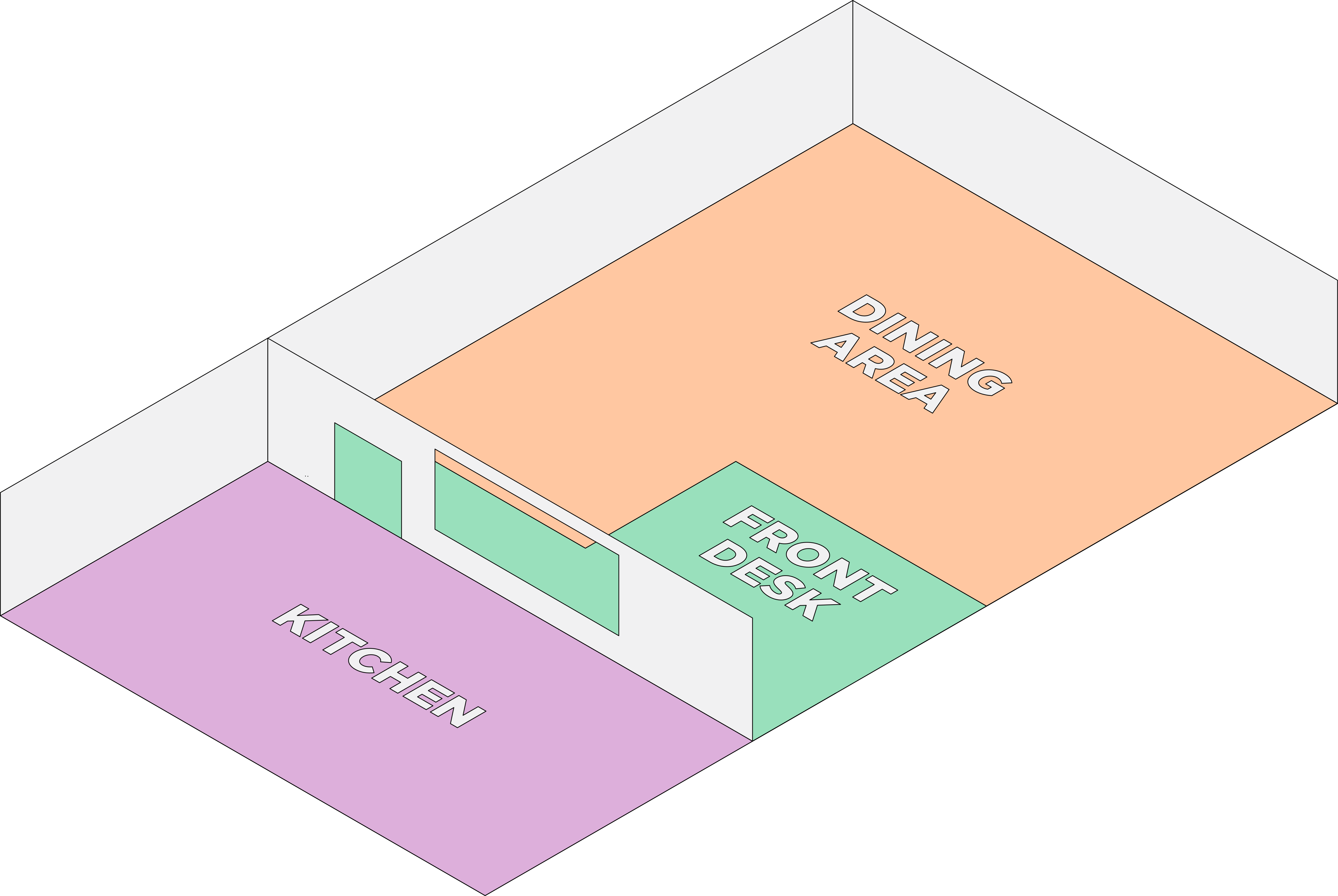
| Restaurant reference | Kubernetes reference | What it means |
|---|---|---|
| Recipes and prepared ingredients | Dockerfiles, container images, containers, and pods | The application and its dependencies are packaged so they can run consistently outside one custom environment. |
| Menus and order options | Workload definitions | The platform receives a clear description of what should run, how many copies are needed, and which settings apply. |
| Front desk and restaurant management system | Kubernetes control plane | The coordinating system accepts requests, records desired state, schedules work, and keeps the restaurant aligned. |
| Tables and table chefs | Worker nodes and kubelets | The actual work runs here. Each table follows instructions from the coordinating system and reports status back. |
In the kitchen, Poppy proposes that Tommy needs documented ingredients and detailed recipes for every dish so that any prep chef can produce the same result. They start with Tommy's best-selling burger, which he has been making for years and knows by instinct.
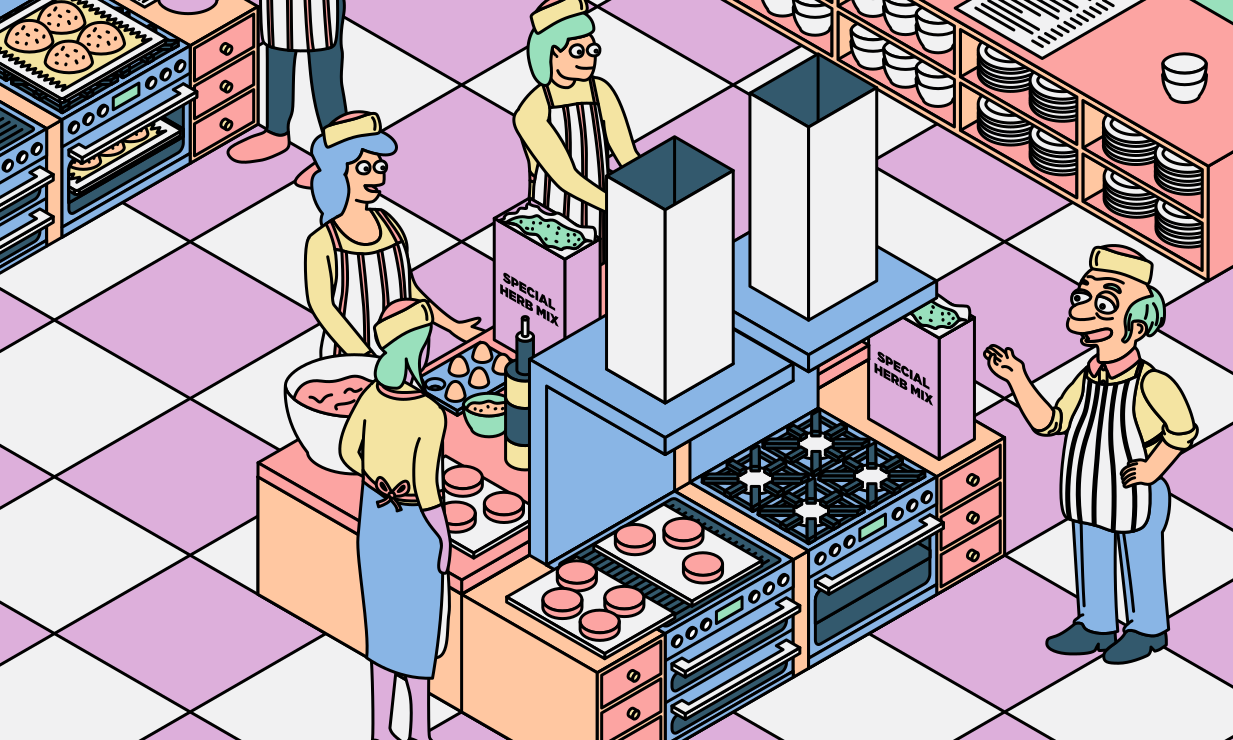
Tommy explains that his secret herb and spice mix, combined with onion and mince, gives the burger its recognisable taste.

To ensure any prep chef can recreate the patty, Tommy documents the process as a detailed recipe with the right ingredients, quantities, and steps.
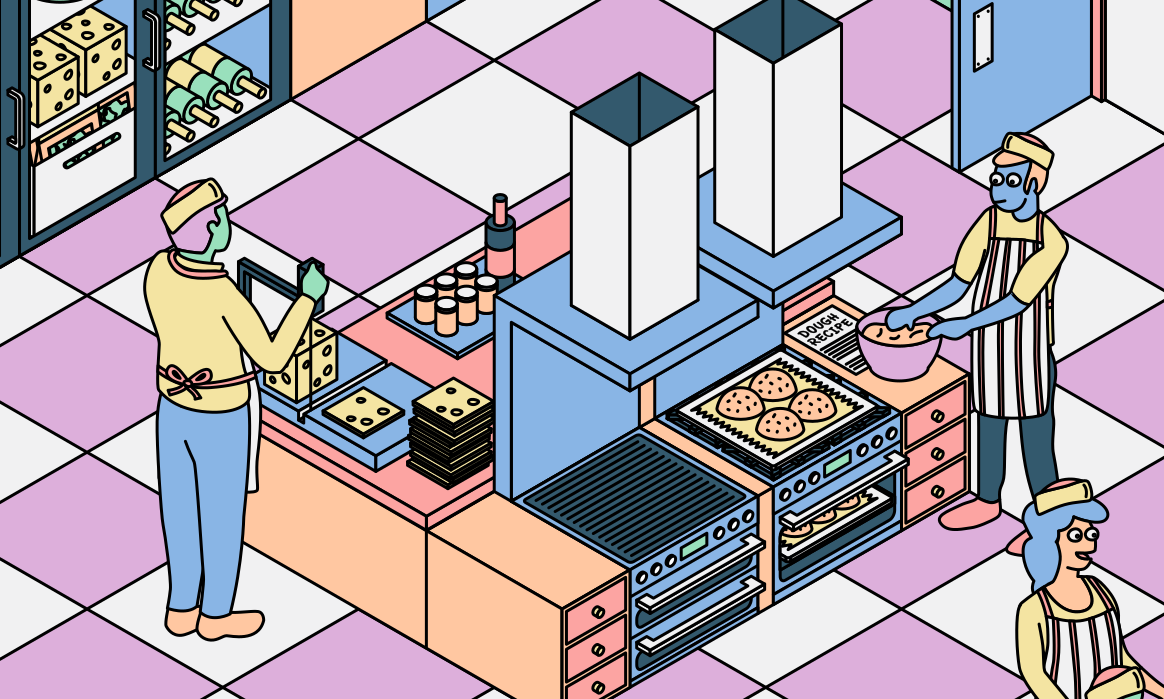
Tommy also relies on trusted providers: a community bakery recipe for burger buns and a reliable cheese supplier for the final topping.
Documented ingredients: Developers need a standard way to combine application code with dependencies such as libraries, system tools, and settings.
Detailed recipes: Dockerfiles describe how to build container images. Containers are the running copies of those images, and pods group one or more containers that should run together.
Next, Poppy and Tommy work with the prep chefs to create predefined menus. The menu describes what customers can order, what each dish contains, and which preferences can be applied.
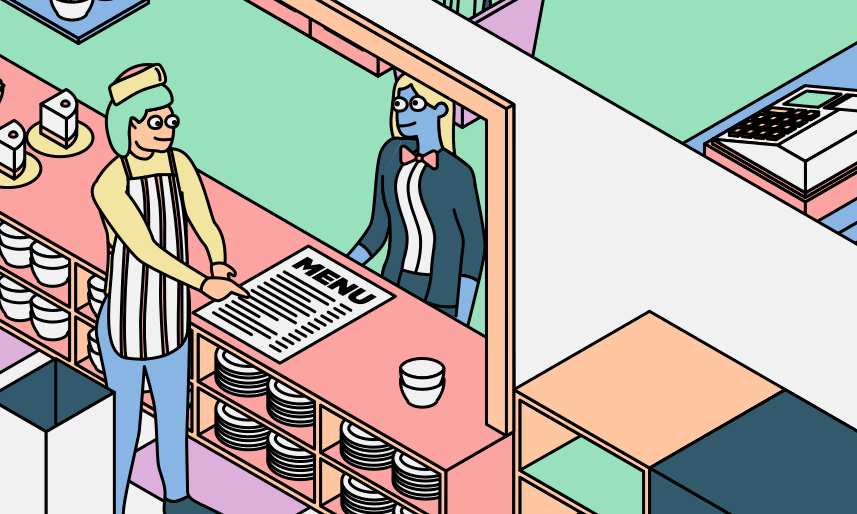
Poppy requests a list from the prep chefs outlining available dishes, including ingredients and preparation instructions. She uses this to create a menu for the front desk to offer customers.
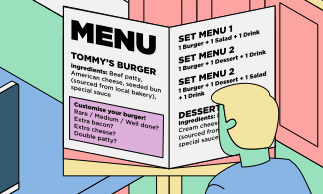
The menu includes customer preferences, such as choosing whether meat should be cooked rare, medium, or well done.
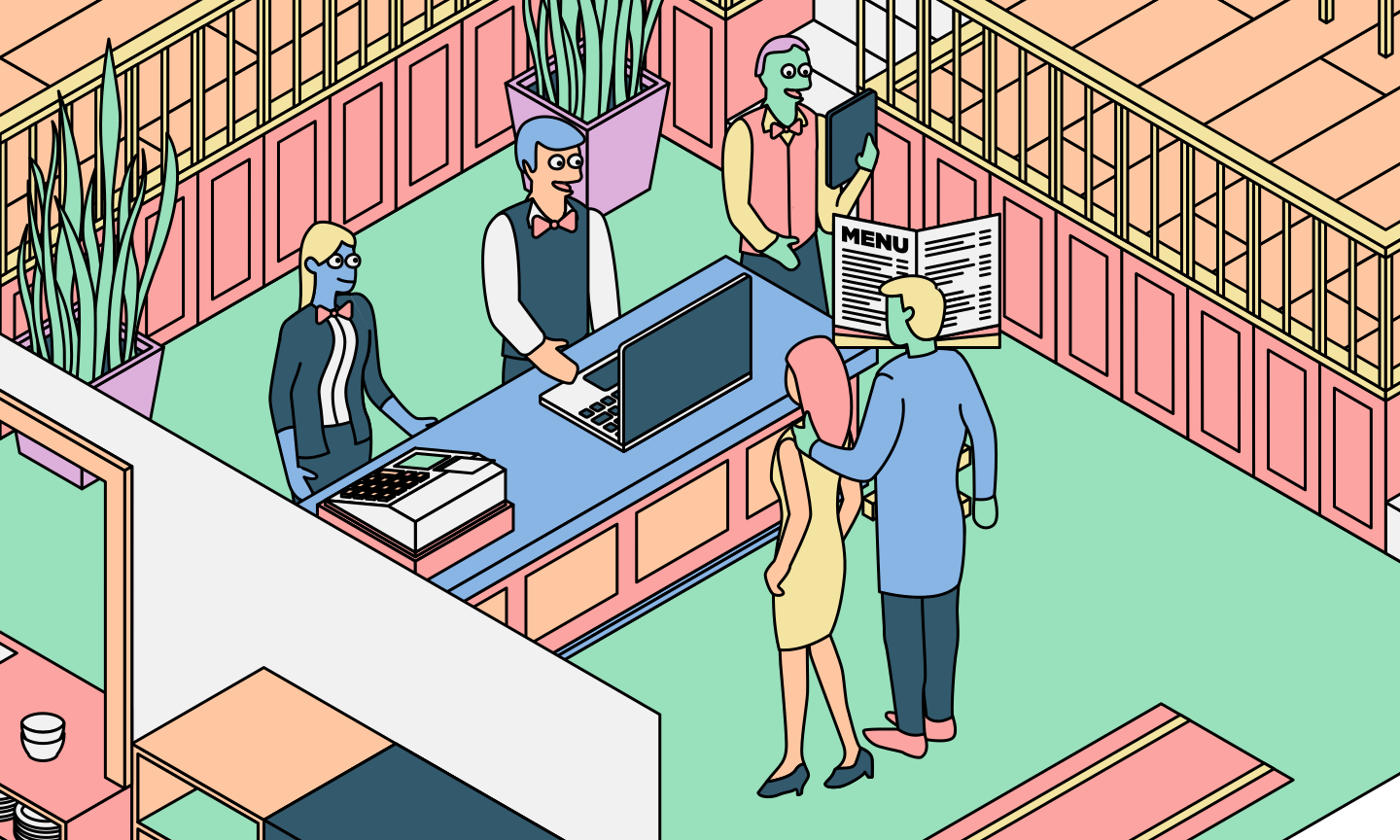
Customers order from the front desk, where a receptionist records the request. Staff can then track the order lifecycle from preparation through service.
Predefined menus: Workload definitions describe what should run in Kubernetes, including containers, replicas, and configuration.
Order tracking: Kubernetes records desired and current state through its API and etcd, then controllers act to make the current state match the desired state.
Finally, Poppy defines how the kitchen, front desk, and dining area work together. Clear roles prevent every order from depending on one person remembering every step.
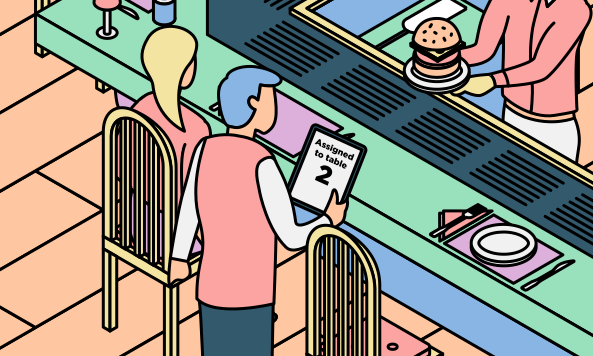
The maitre d' assigns customers to tables, tracks available seats, and keeps table capacity visible to the front desk.

The customer orders at the front desk, and a dedicated waiter follows the order until it is complete.

Poppy assigns table chefs to cook meals consistently at each table. This is where the actual service work happens.
Workloads: A workload tells Kubernetes what application work should exist and how it should be run.
Kubernetes: The control plane coordinates the desired state, while worker nodes run the pods that do the application work.
The rest of the course expands each part of this map: first Containers, then Workloads, then Kubernetes itself.
In this section we learned...
Recipes and ingredients map to container packaging
Menus map to workload definitions
The front desk, management system, and tables map to the Kubernetes control plane and worker nodes
Let's learn how to package application code and dependencies with Containers.